Course Introduction

Future Farm — Secondary School Hydroponics and Smart Agriculture Course

Nurturing the future through technology and innovation: building a smart farm on campus

With global trends in sustainable development and rapidly advancing technology, modern agriculture has long moved from manual labour towards automation and intelligence. The "Future Farm" course is designed for Hong Kong secondary schools. It combines interdisciplinary STEAM knowledge, Internet of Things (IoT) automation, artificial intelligence (AI) and the idea of environmental recycling, guiding students to build, monitor and improve a campus smart farm by hand, starting from zero. Technology learning stays close to everyday life and builds the ability to solve real problems hands-on.

Course Highlights and Teaching Features

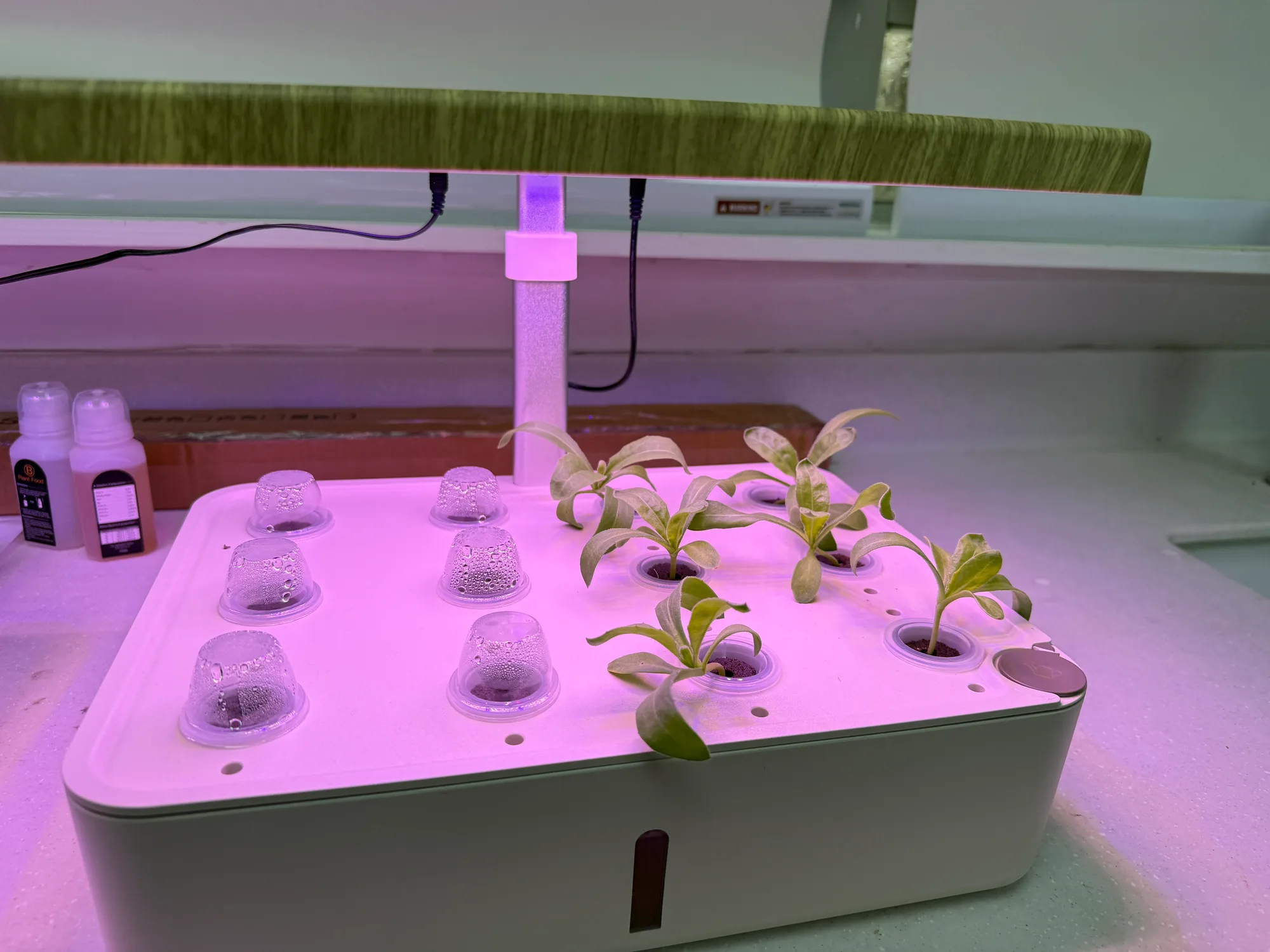
A small indoor hydroponic growing box with a plant grow light above. Several seedlings have grown on the right side of the tray, while the holes on the left are covered with a clear germination dome.
01

Cross-subject hands-on learning

Combining theoretical science (plant physiology, water quality analysis and organic resource recycling) with information technology, the course guides students to achieve true interdisciplinary integration through programming, IoT sensors and artificial intelligence.
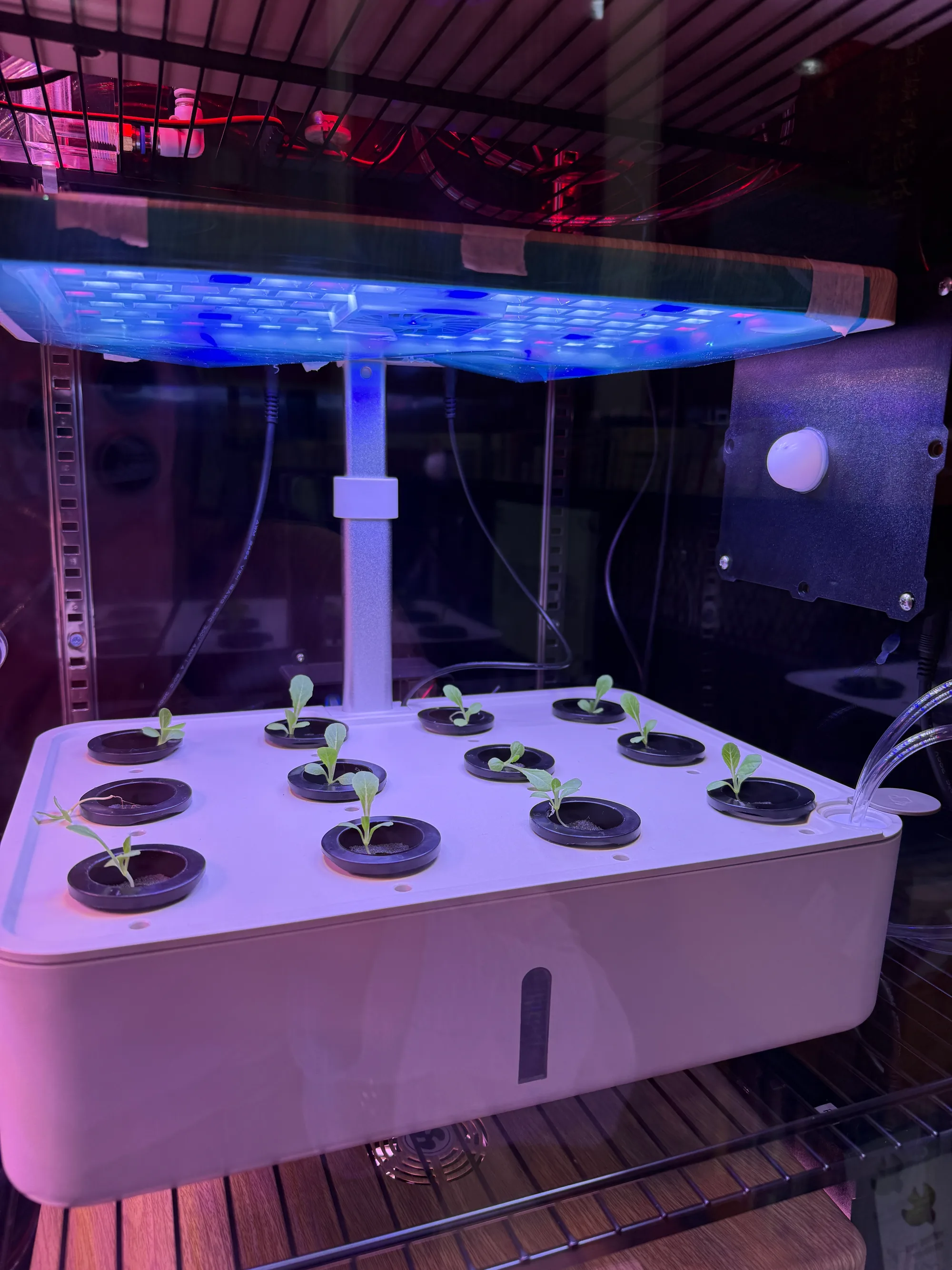
A hydroponic seedling tray under a blue LED grow light, with young seedlings growing in black planting cups and a water-filling pipe on the right.
02

Hardware-software integration and automated control

Students assemble and deploy an environmental monitoring system themselves, learn the logic of automated control (such as automatic irrigation and environmental regulation), and achieve remote data monitoring and recording through a cross-platform interface.

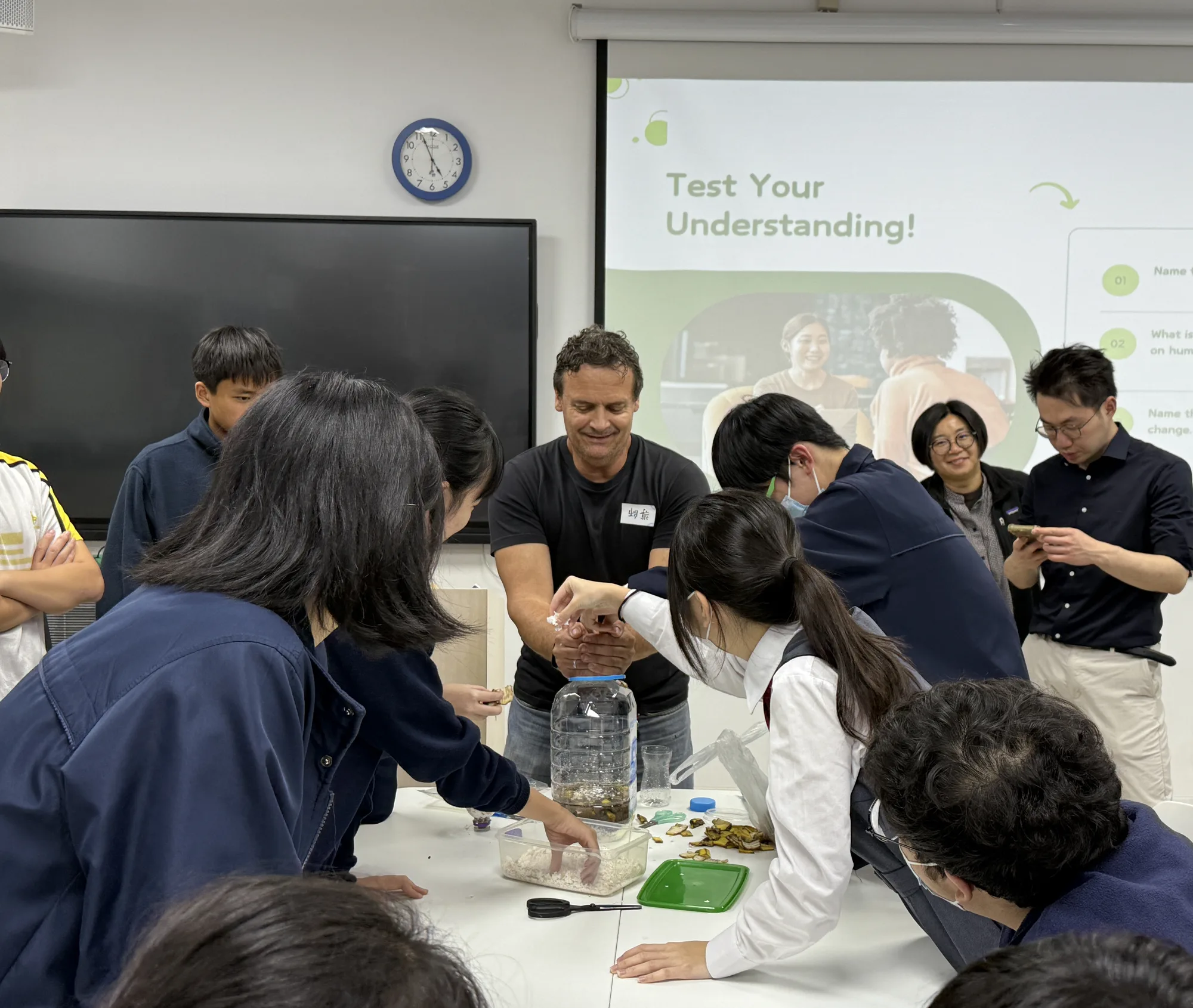
An environmental workshop in progress: an instructor leads students to put fruit peel and other food waste into clear plastic jars to make eco-enzyme by hand.
03

Green living and resource recycling

Breaking out of the framework of technology-only planting, the course can include the concept of campus resource recycling (such as turning food waste into organic applications), letting students experience the practical application of green technology and sustainable development first-hand.

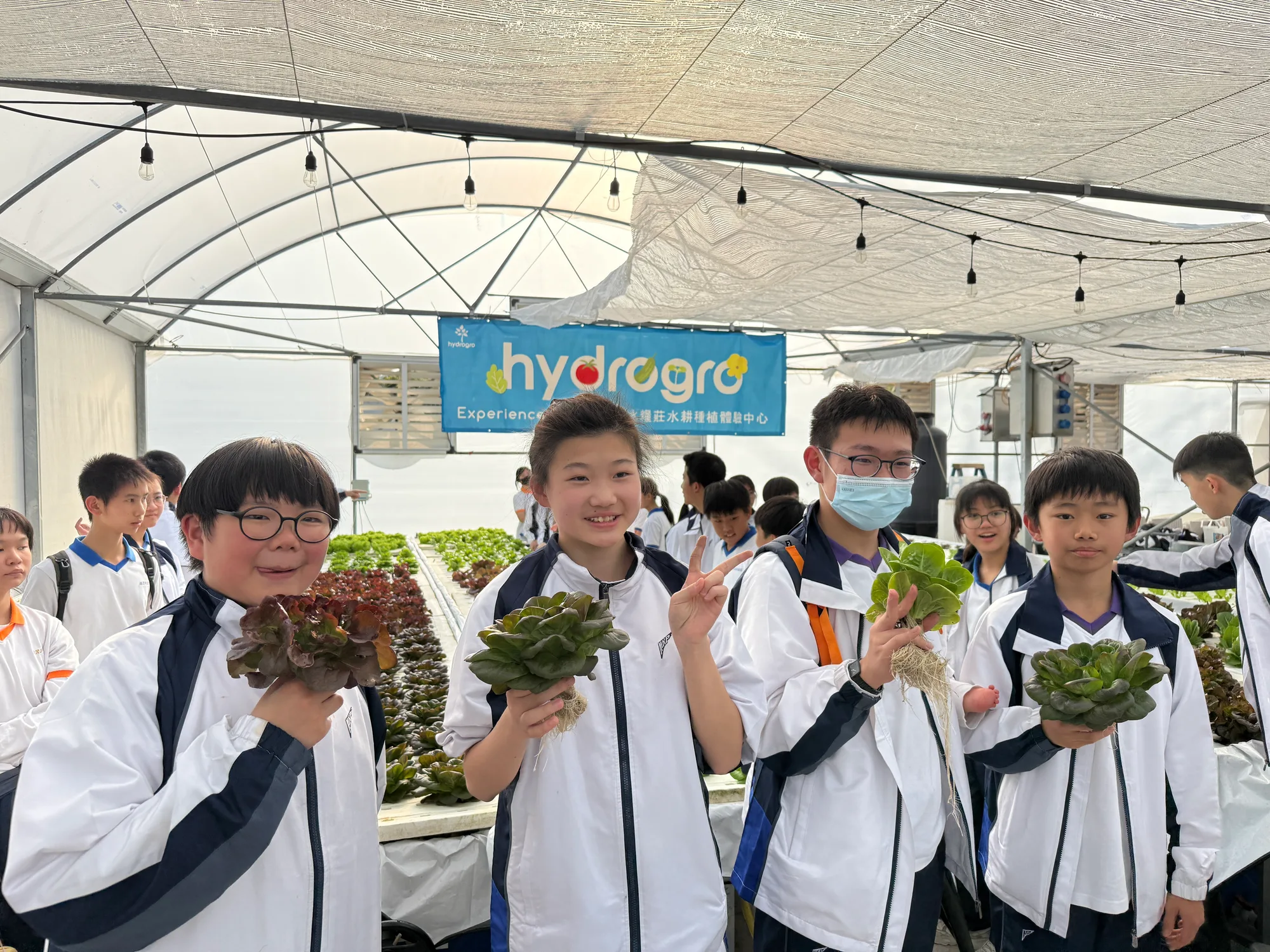
Students pose for a group photo inside the greenhouse of the "hydrogro Hydroponic Experience Centre", each holding a freshly harvested hydroponic lettuce with its roots intact.
04

Diverse project outcomes

The course produces distinctive interdisciplinary outcomes, ranging from 3D-printed prototype designs and AI application experiences to creative extensions with specialty plants and school exhibitions of results (such as project display boards and videos), fully showing students' learning journeys and creativity.

Highly Flexible and Diverse Course Planning

We understand that every secondary school has a different teaching schedule, timetable and student background. "Future Farm" uses a modular course design with several independent teaching modules that can be combined freely, so that content and the number of lessons can be tailored flexibly to your school's teaching goals (such as ICT, Science or interdisciplinary project learning):

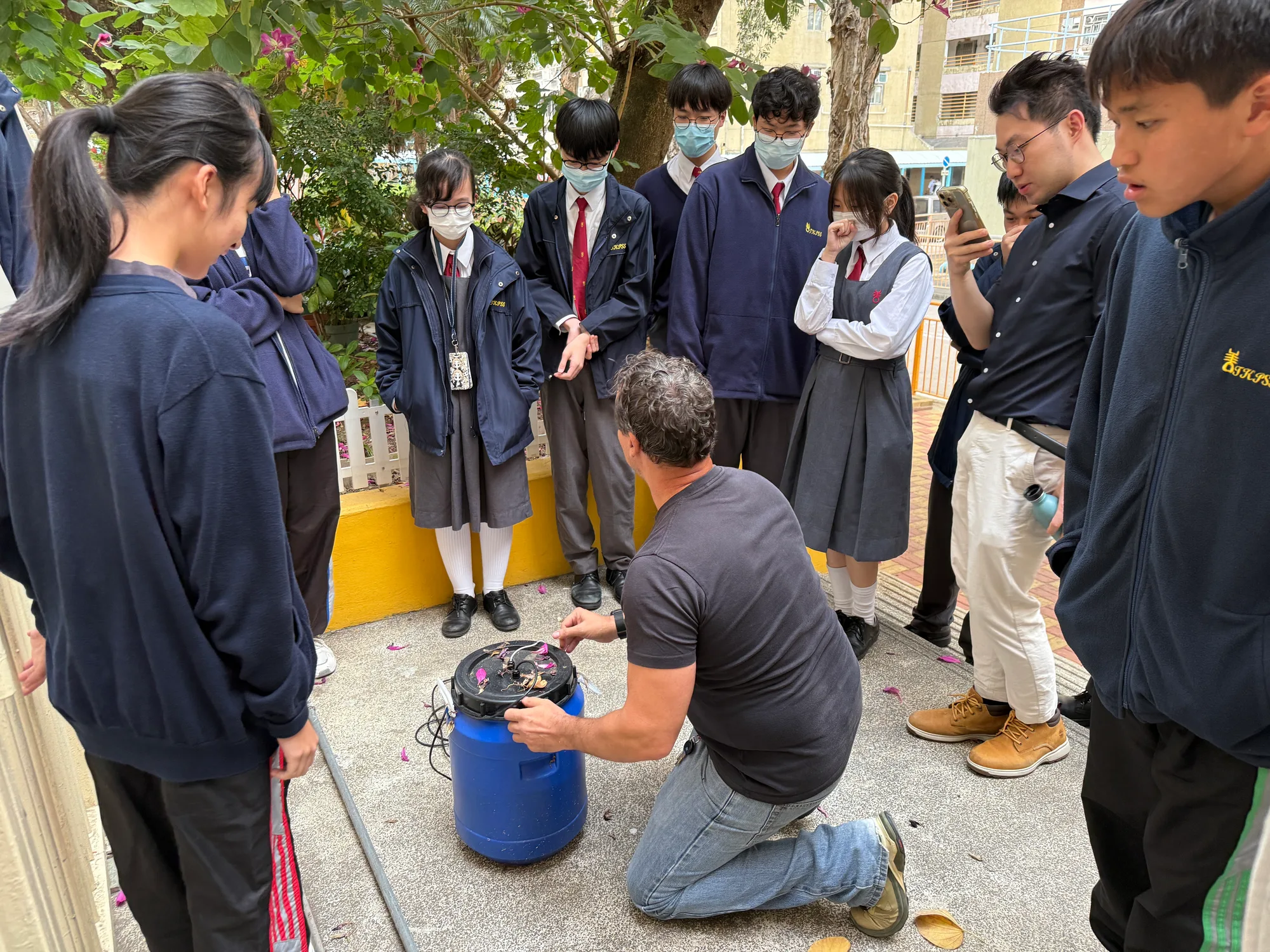
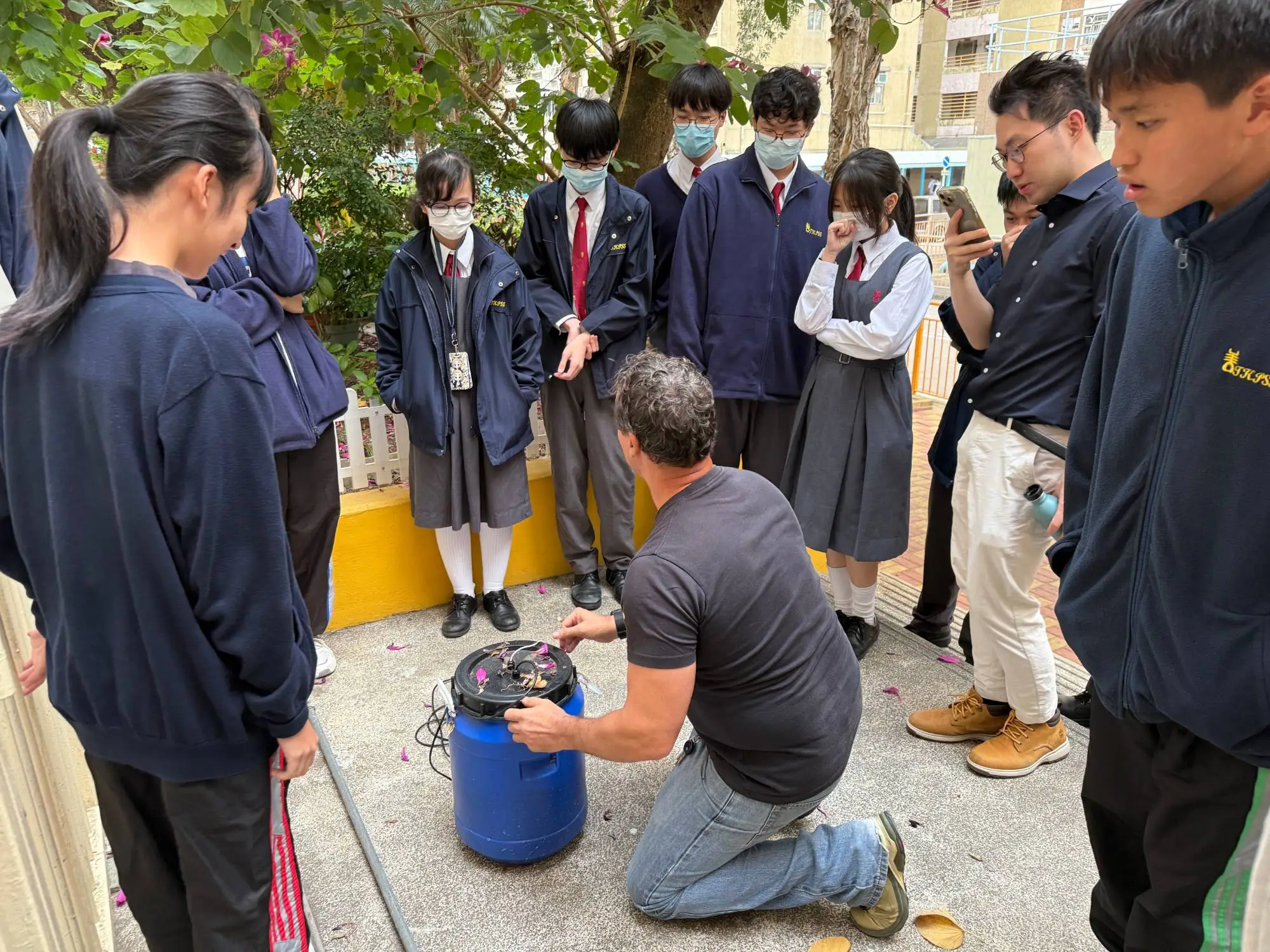
An outdoor hands-on activity on campus: an instructor crouches beside a blue collection bin to show students how to handle fruit peel and other materials, while a group of students in school uniform watch.
01

In-Depth Projects

  • 15–22 lessons
  • Tech classes / clubs / ICT

Advanced programming and AI application module: Move from block-based programming to text-based programming languages, and use AI tools for image recognition or program improvement. Advanced maker practice module: Covers 3D prototype design, smart hardware assembly and the development of a dedicated mobile app interface for remote monitoring. Sustainable technology project module: Combines campus resource-recycling data analysis with scientific control experiments to deepen the application of green technology.

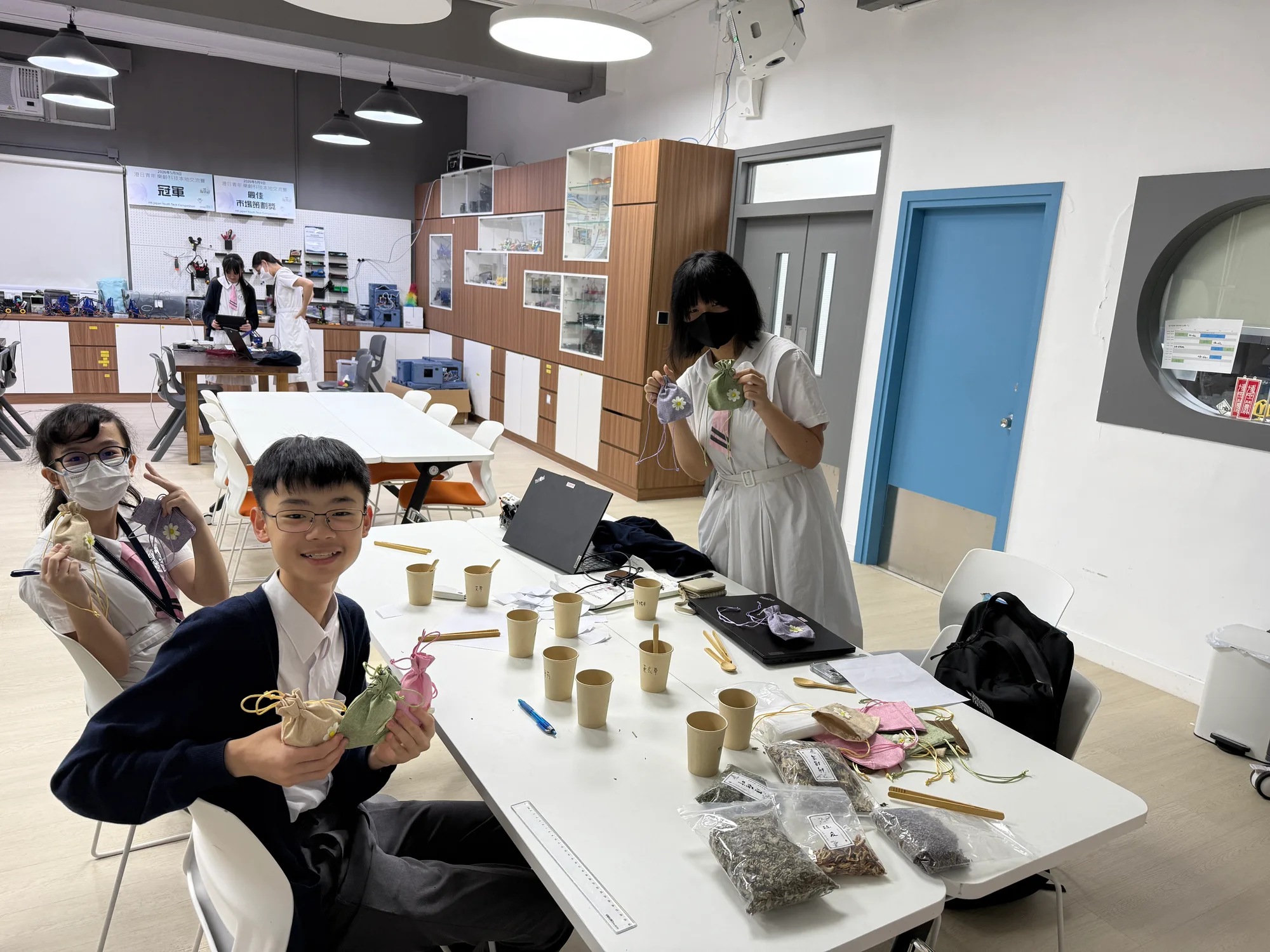
In a school activity room, several students gather around a long table making sachets; paper cups, twine and dried flowers lie on the table, and a few students hold up their finished linen sachets.
02

Compact Experience

  • 8–10 lessons
  • Junior secondary / Tech weeks

Quick start and concept-building module: Focuses on basic knowledge of hydroponics and smart agriculture, IoT system concepts and hands-on work with environmental sensors. AI-assisted learning module: Makes good use of AI to generate and improve basic programs, lowering the learning threshold so that students can enjoy hands-on practice without memorising code from scratch. Fun outcomes module: Combines plant growing, data monitoring and themed extension experiences to build a sense of achievement in learning.

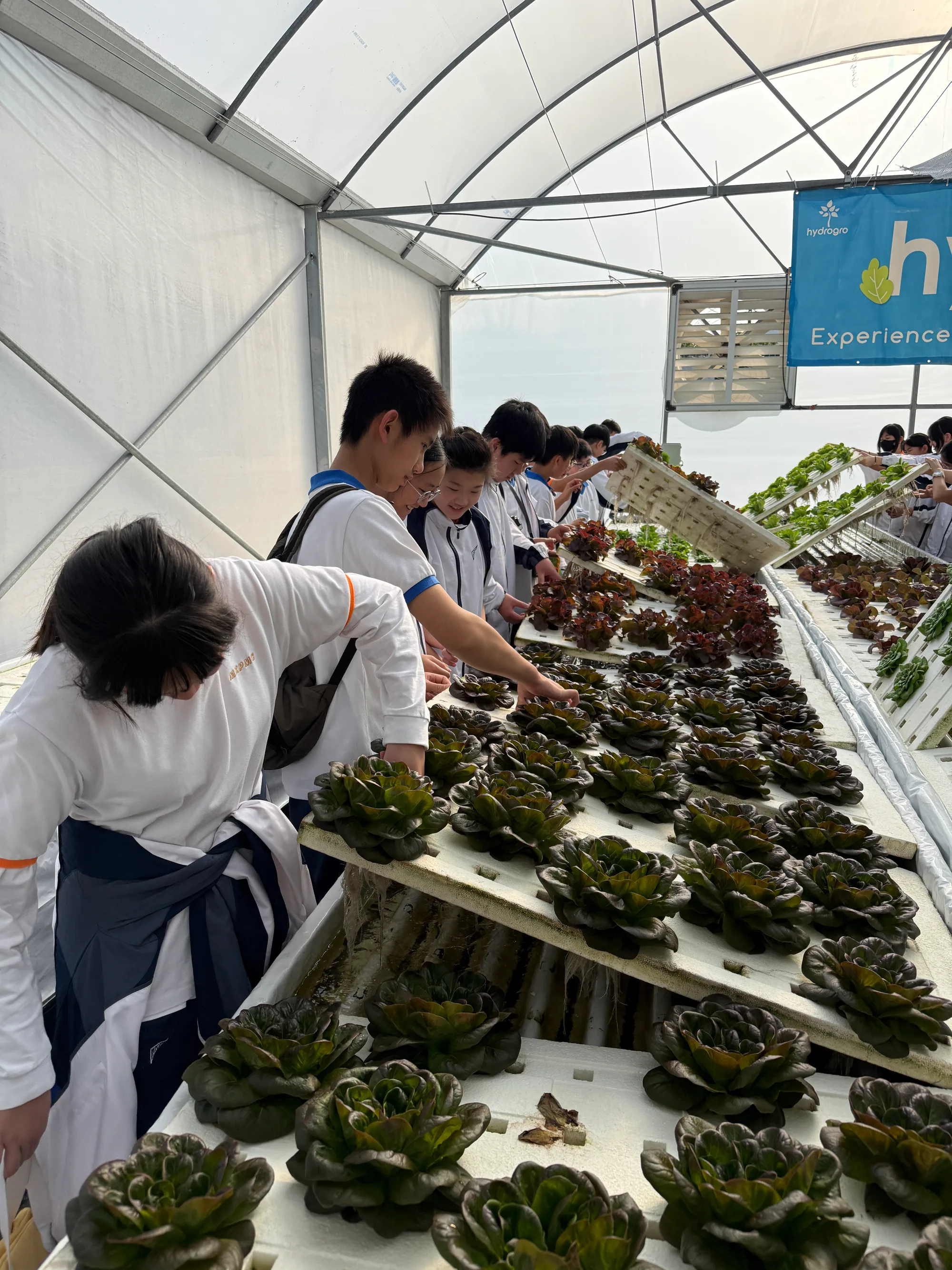
Students visit a hydroponic farm in a greenhouse, bending down to observe the densely growing hydroponic lettuce and purple lettuce on the growing channels.
03

Diverse Activities

  • Arranged separately

Local technology farm visits: Arrange for students to visit modern agricultural technology facilities in Hong Kong and experience automated farming. Mainland and overseas exchange experiences: To fit the school's teaching plans, we can arrange agricultural technology exchange study tours to the Greater Bay Area or the Mainland.

Contact Us to Tailor a "Future Farm" Programme for Your School

Our team has rich experience delivering courses in Hong Kong secondary schools. Feel free to contact us at any time to request detailed lesson plans and past school case studies, so that we can tailor the most suitable teaching programme for your school!

Contact Us

Course Plan and Specifications

Target audience
Hong Kong secondary schools (junior secondary: general courses / cross-subject technology weeks; senior secondary: ICT, innovation and technology classes, technology clubs)
Lesson schedule
About 8–10 lessons (Compact Experience) or about 15–22 lessons (Intensive Project-Based Study), combined according to the school's teaching goals
Course design
Modular course design with several independent teaching modules that can be combined freely, with content and number of lessons tailored flexibly
Other arrangements
Local technology farm visits and Mainland and overseas exchange experiences can be arranged separately

Course Objectives

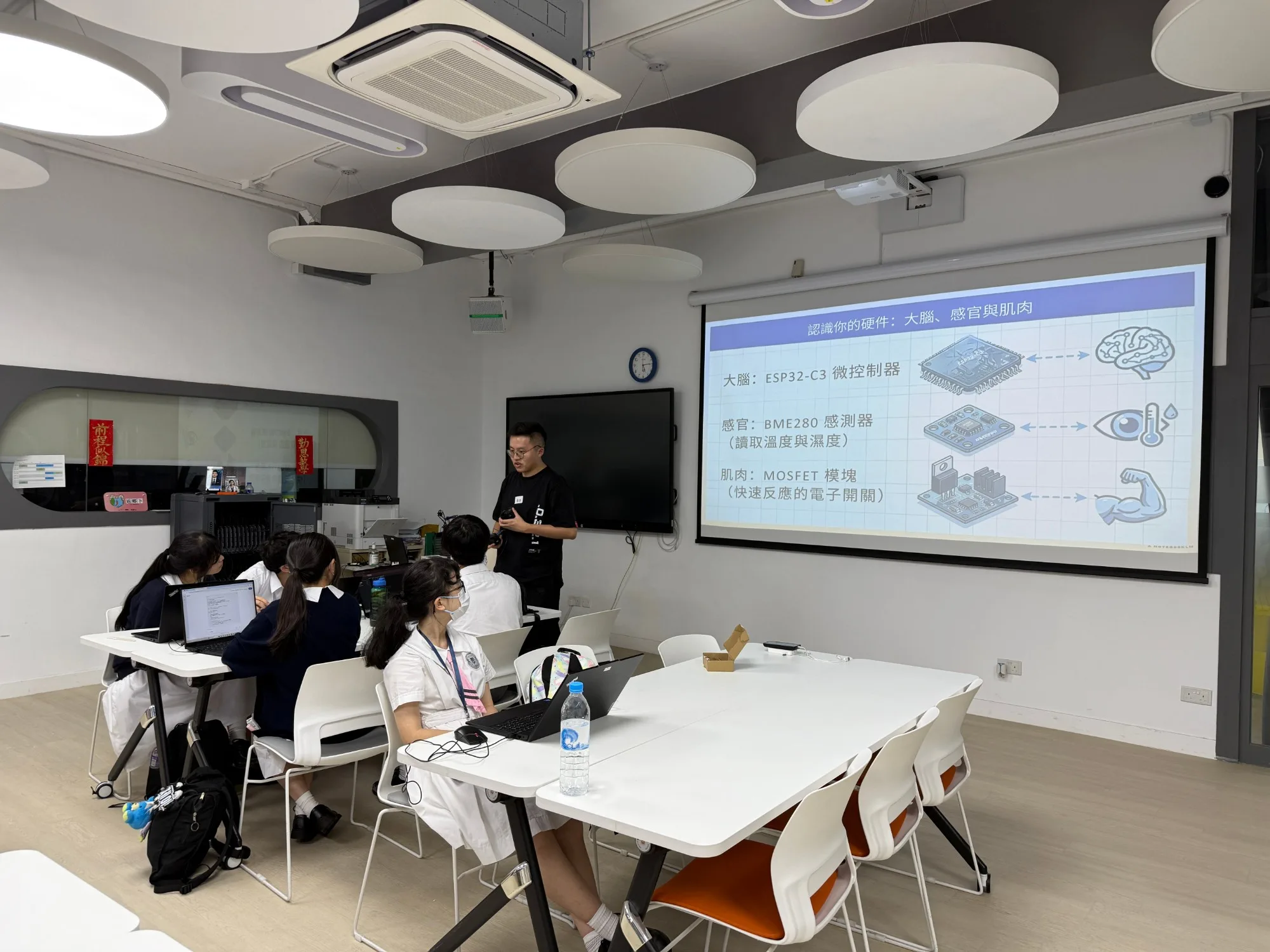
A teaching session on IoT hardware architecture: the slide uses a brain, senses and muscles as analogies for the microcontroller, the temperature and humidity sensor and the electronic switch module, while students seated with laptops listen and learn.
01

Applied Technology

Master the building and operation of IoT hardware, sensors and automated systems.

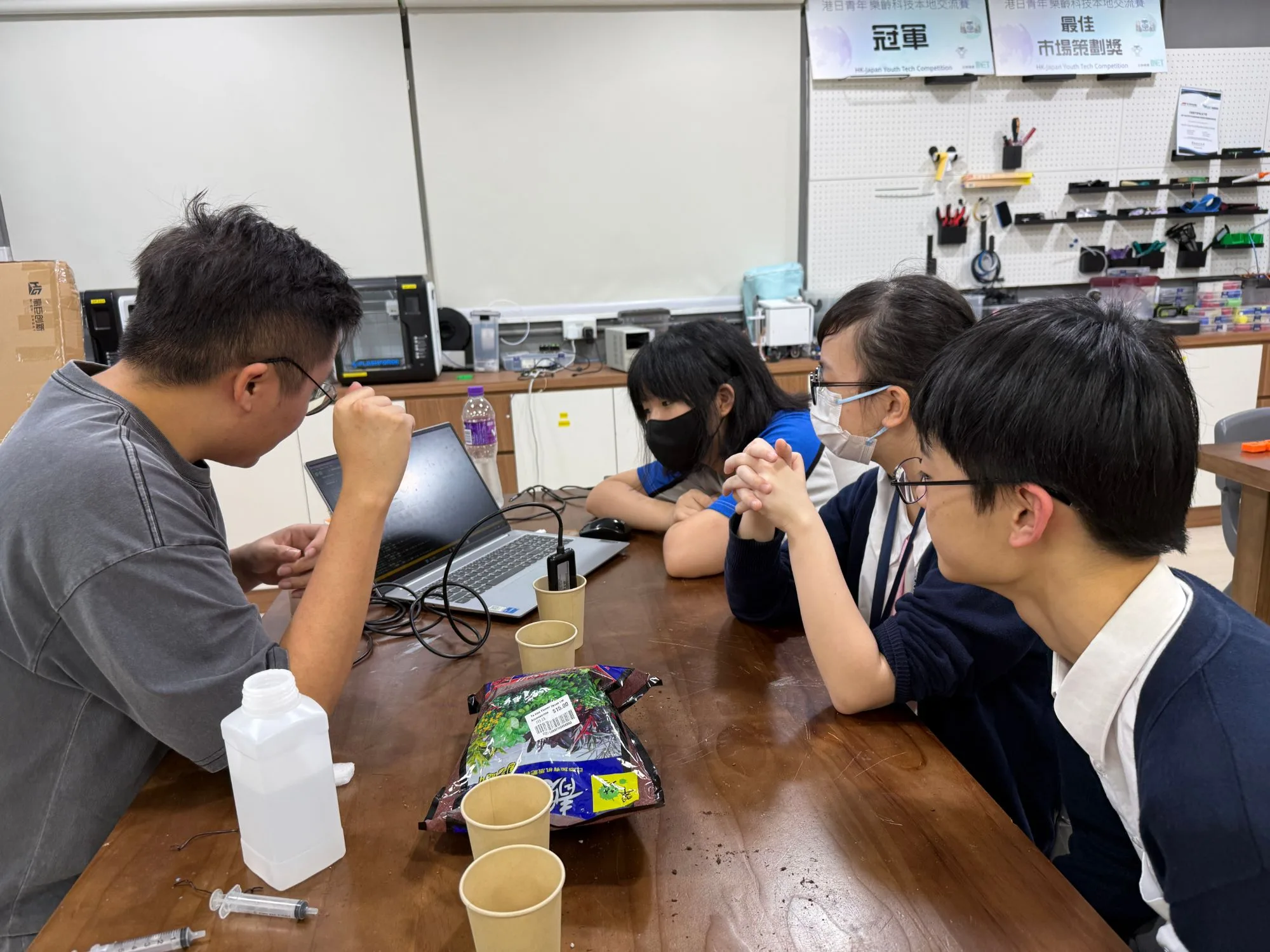
A project-based teaching scene in a STEM studio: culture reagents, syringes and electronic parts lie on the table while an instructor guides students in using a computer to set up and test an IoT project.
02

Problem Solving

Apply interdisciplinary knowledge flexibly to improve plant growing environments, and learn to spot problems and debug and improve systems.

A live demonstration at a school green workshop: an instructor crouches on the ground working on a small compost container while several students in school uniform watch the decomposition and recycling of organic material attentively.
03

Eco-awareness

Deepen understanding of sustainable agriculture, the circular economy and green technology.

Contact Us

Ready to bring your students a different kind of STEAM learning experience?

Whether it is a regular course, an extra-curricular activity (ECA) or a school-wide "STEAM Culture Day" event, Cardy Tech can tailor a suitable programme for your school.

Book a School Consultation / Request the Full Course Outline